At Distromed Kutchh Services Pvt Ltd , we specialize in the safe and efficient management of bio-medical waste generated from healthcare activities, including the diagnosis, treatment, and immunization of humans and animals, as well as research, production, and testing of biological materials.Bio-medical waste poses serious environmental and health risks if not handled properly. This waste includes sharps (like needles and scalpels), solid waste, disposables, anatomical waste, contaminated materials, and other hazardous substances. We are committed to adhering to strict regulatory guidelines to ensure the safe collection, transportation, treatment, and disposal of such waste.
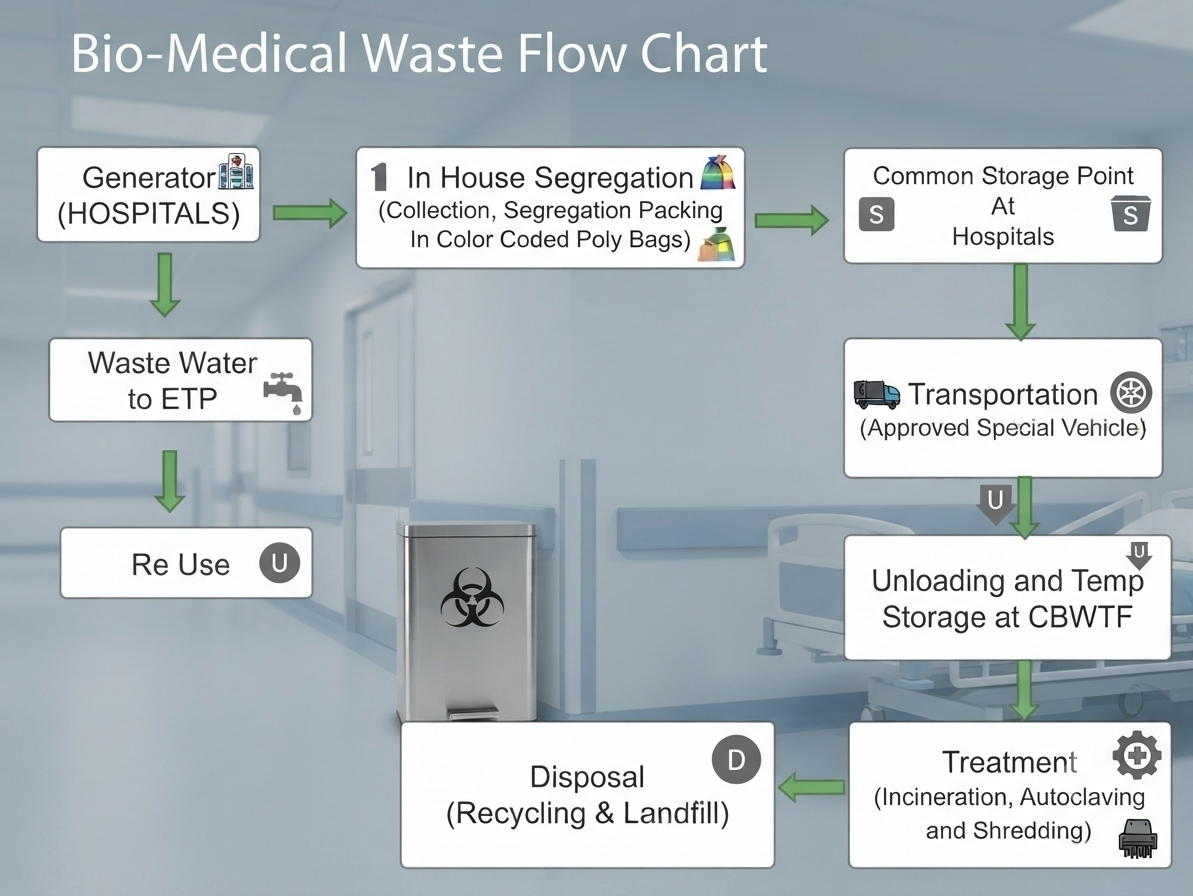
At Distromed Kutchh Services Pvt Ltd, we specialize in the safe and responsible management of bio-medical waste generated through diagnosis, treatment, immunization, research, and testing activities. Proper waste handling is essential to protect public health, preserve the environment, and meet regulatory compliance.
Bio-medical waste includes sharps, anatomical waste, contaminated disposables, and other hazardous by-products that can pose serious health and environmental risks if incorrectly managed. We follow systematic processes for collection, storage, transportation, treatment, and disposal to reduce risks and maintain safety.
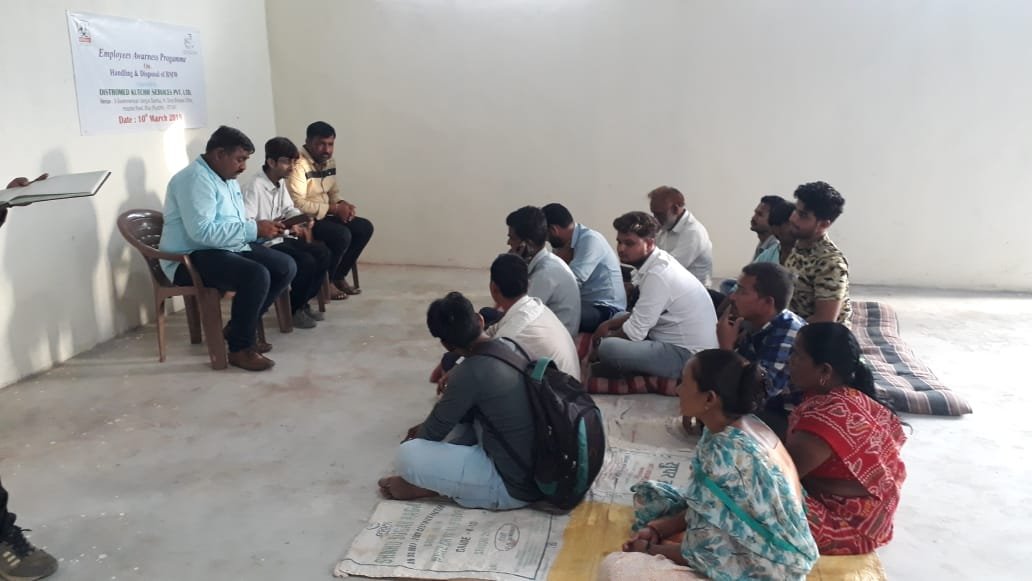
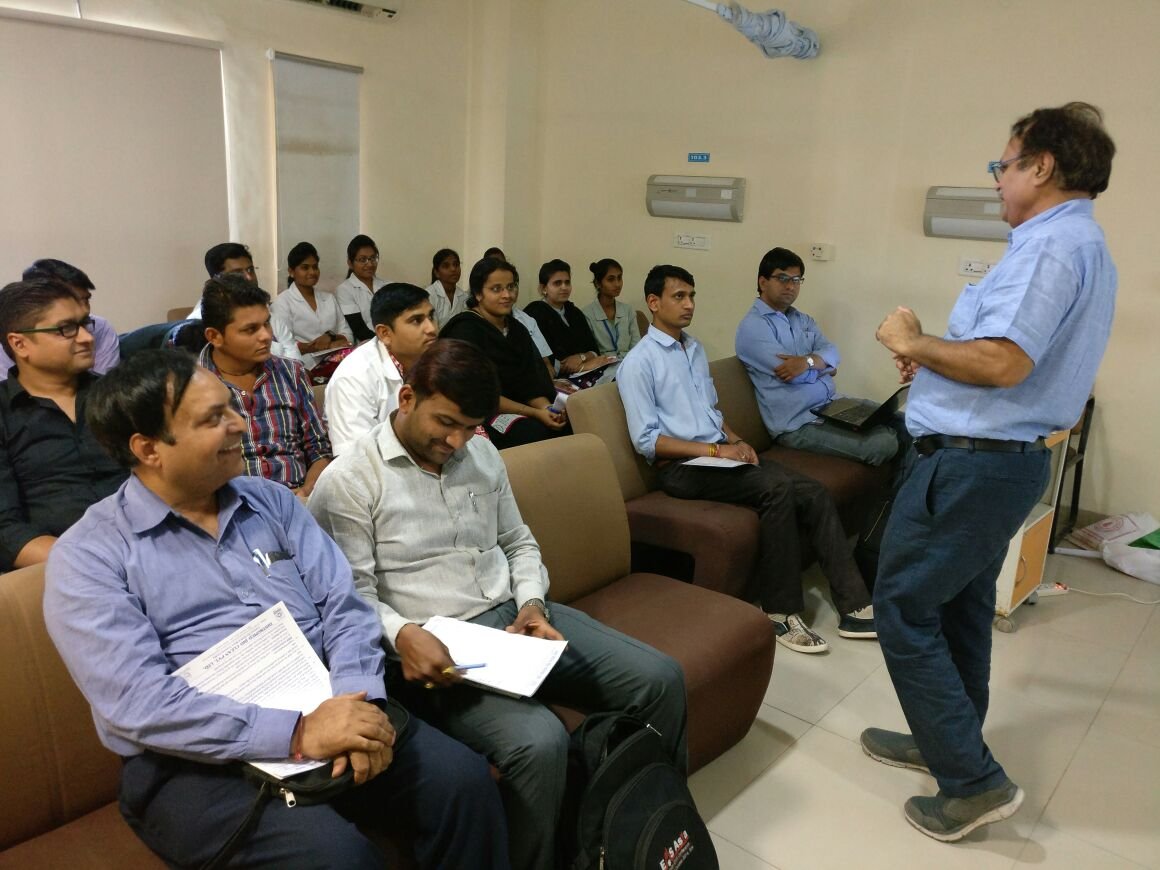
Current waste management needs improvement by giving such education and training. Bio-medical waste management is an activity in which involvement of patients, doctors, and nursing staff is essential. It is not only the implementation of bio-medical waste management rules, but also public behavior that will make the difference.
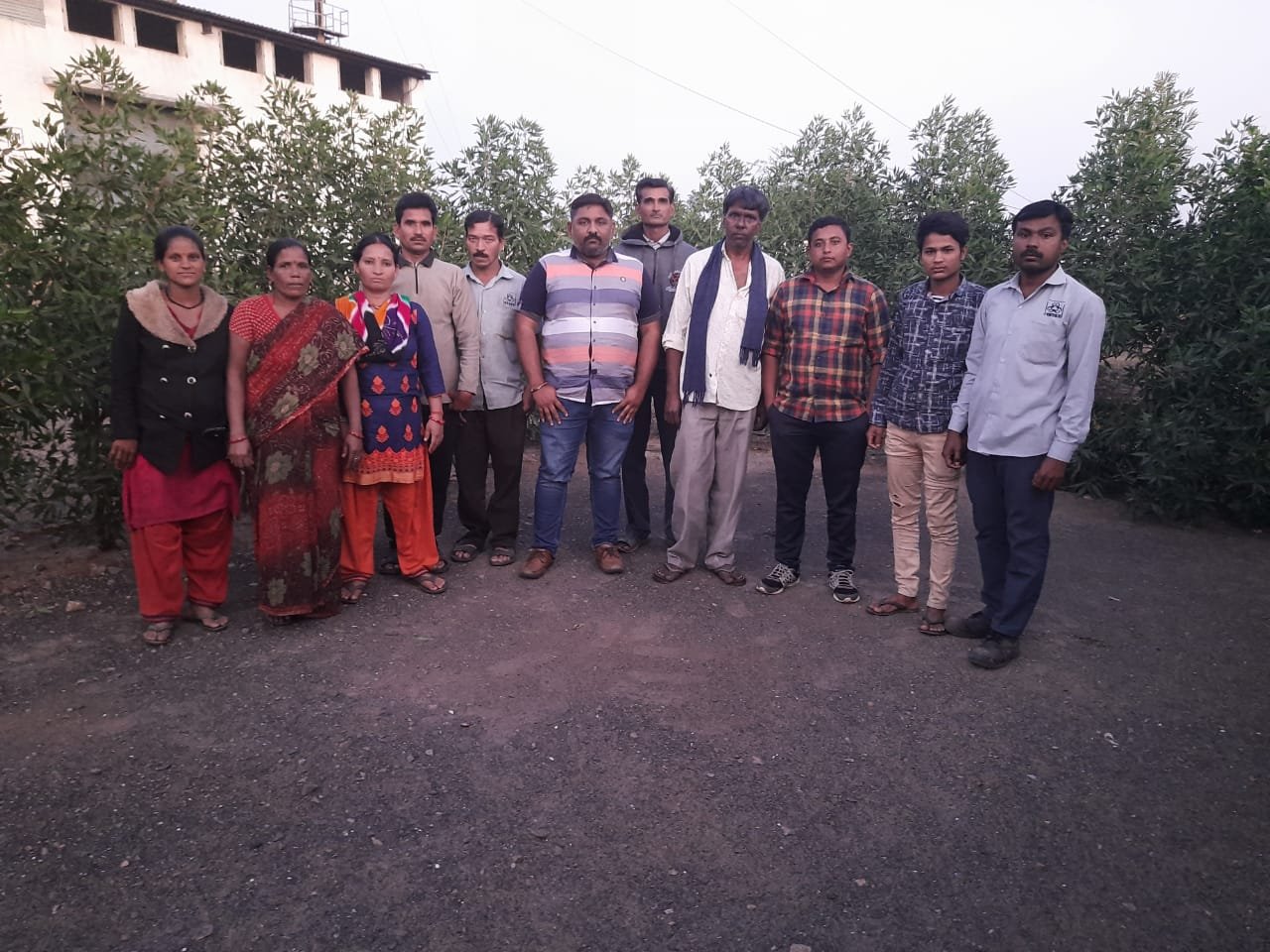
Bio-medical waste can cause water pollution. If waste is dumped in low-lying areas, lakes, or water bodies, it can cause severe contamination. Liquid waste that spills and enters water creates a favorable medium for bacterial growth, which can lead to widespread health risks and water pollution. In the case of heavy metals present in bio-medical waste, poor landfill practices may cause leachates that contaminate water sources.
Excess nutrient leachates such as nitrates and phosphates from landfills can cause eutrophication, where surface water bodies develop algal blooms. Water pollution can alter parameters such as pH, BOD, DO, and COD. There are instances where dioxins are reported from water bodies near incinerator plants, and dioxins can enter water bodies from the air.
So in this case, water, land (soil), and air act as vectors for disease transmission. Tuberculosis, pneumonia, diarrhoeal diseases, tetanus, gas gangrene, and whooping cough are common diseases spread due to improper waste management.
Human immunodeficiency virus (HIV) and hepatitis viruses are spread through bio-medical waste. The general public health can also be adversely affected by improper practices such as dumping bio-medical waste in municipal dustbins, open spaces, and water bodies. Emissions from incinerators and open burning also lead to exposure to harmful gases that can cause cancer and respiratory disease. Bio-medical waste can also harm animals and birds. Plastic waste can choke animals that scavenge on openly dumped waste, and injuries from sharps are common among animals.
Harmful chemicals such as dioxin, furans, and heavy metals in the soil can affect the reproductive health of animals. Studies also reveal that endangered species can be affected by openly dumped waste.
Recycling workers are the people who collect, sort, and process recyclable materials so they can be reused.




We provide professional recycling service, garbage disposal, maintenance and waste management for homes and businesses.
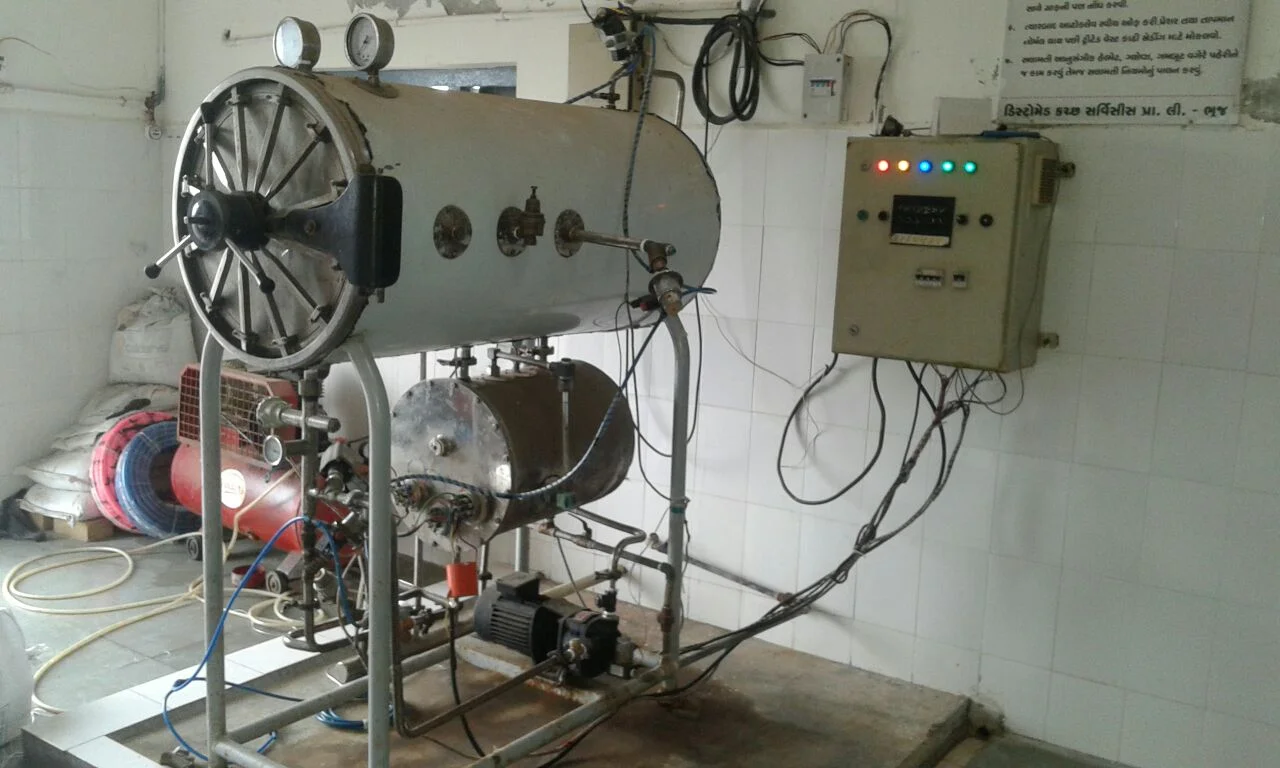
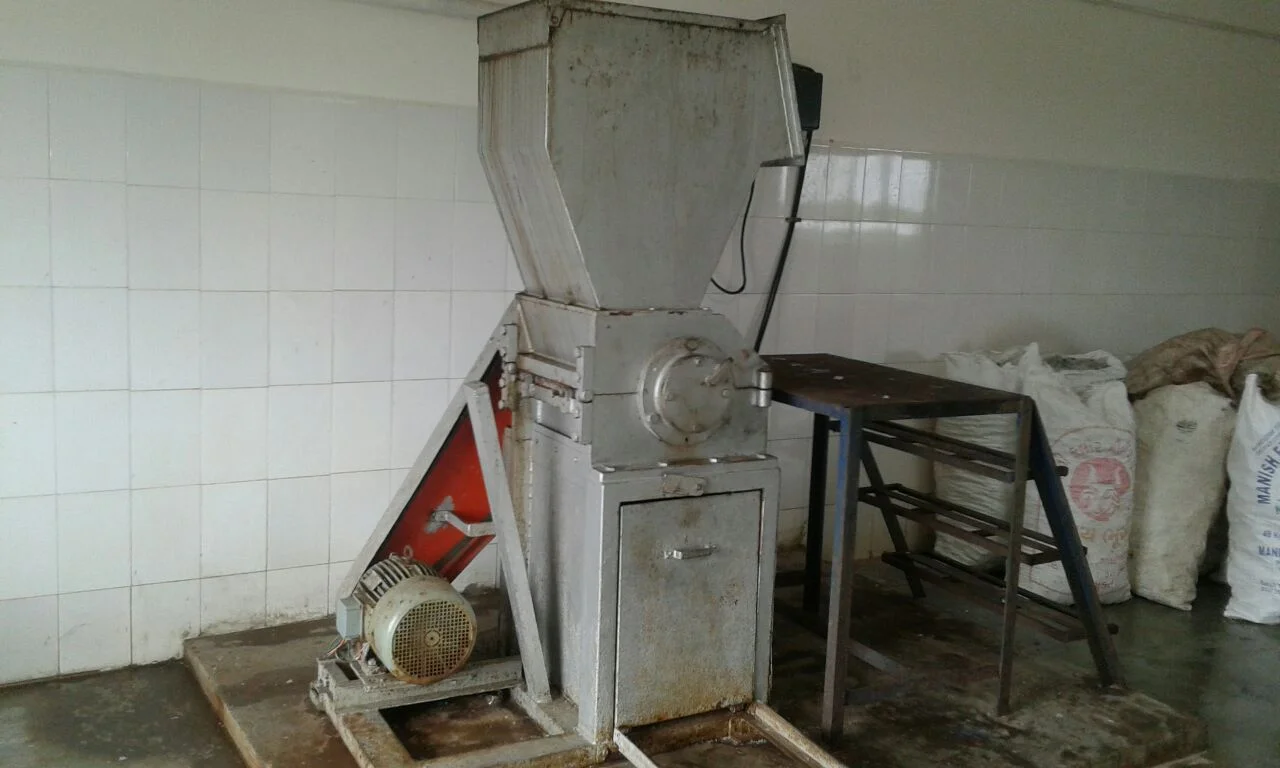
We have seen that in many cities, scandle of repacking and reusing of used needles, syringes and other plastic device for treatment has come out, to minimize these thing granulation, grinding, pulping are needed.
1.jpg)
Recycling services offered to businesses, schools, hospitals, restaurants, and offices. These locations generate large amounts of recyclable materials.An office building uses a paper shredding and recycling service for confidential documents.
1.jpg)
Large-scale recycling of waste generated from manufacturing and industrial operations.A construction company sends concrete and brick waste from demolition sites to a recycling facility where it's crushed and reused for road base.
4.jpg)
The year 1998 saw the Indian government taking major indications to control and reduce various types of environmental pollution. The bio-medical waste management and handling rules have been notified in 1998. if regulated disposal of bio medical wastes and lays down the procedures for collection, treatment and disposal and standards to be compiled with. To maintain the environmental standard it requires such instrumentation for disposal of bio-medical wastes.
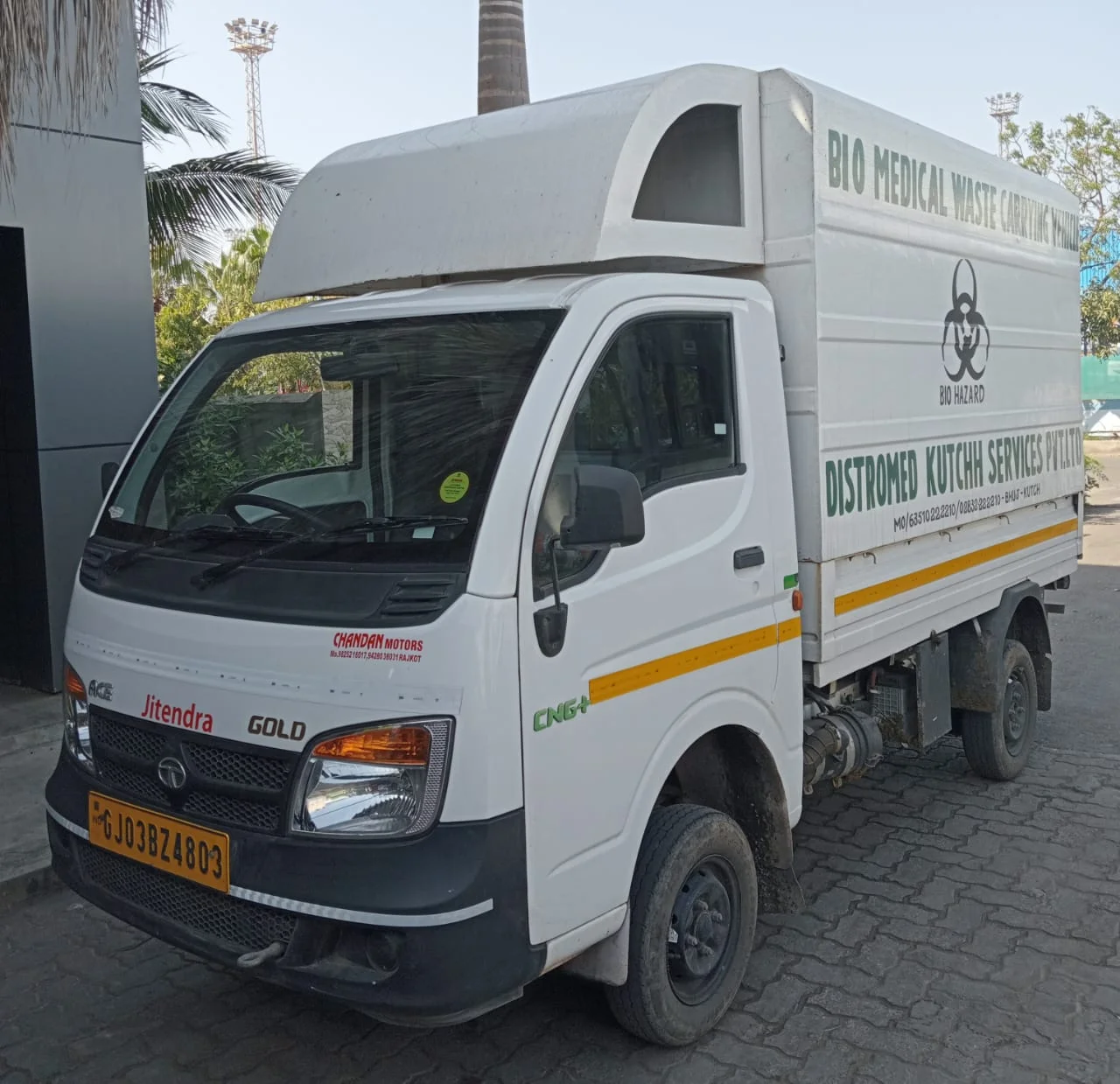
The medical wastes should never be transported with general municipal waste and these should be kept separate at all stages. Special vehicles must be used to so as to prevent access to and direct contact with the waste by the transportation operators, the scavengers and the public. We carry bio-medical waste in a closed container in closed vehicles.